Walk into any spice market and you'll see jars labelled “premium saffron,” “original saffron,” and “A-grade saffron” sitting side by side at wildly different prices. The confusion is real — and deliberate. Saffron grading is the single most important factor separating a transformative cooking ingredient from an expensive disappointment, yet most buyers have never heard of it.
Why Saffron Grading Exists
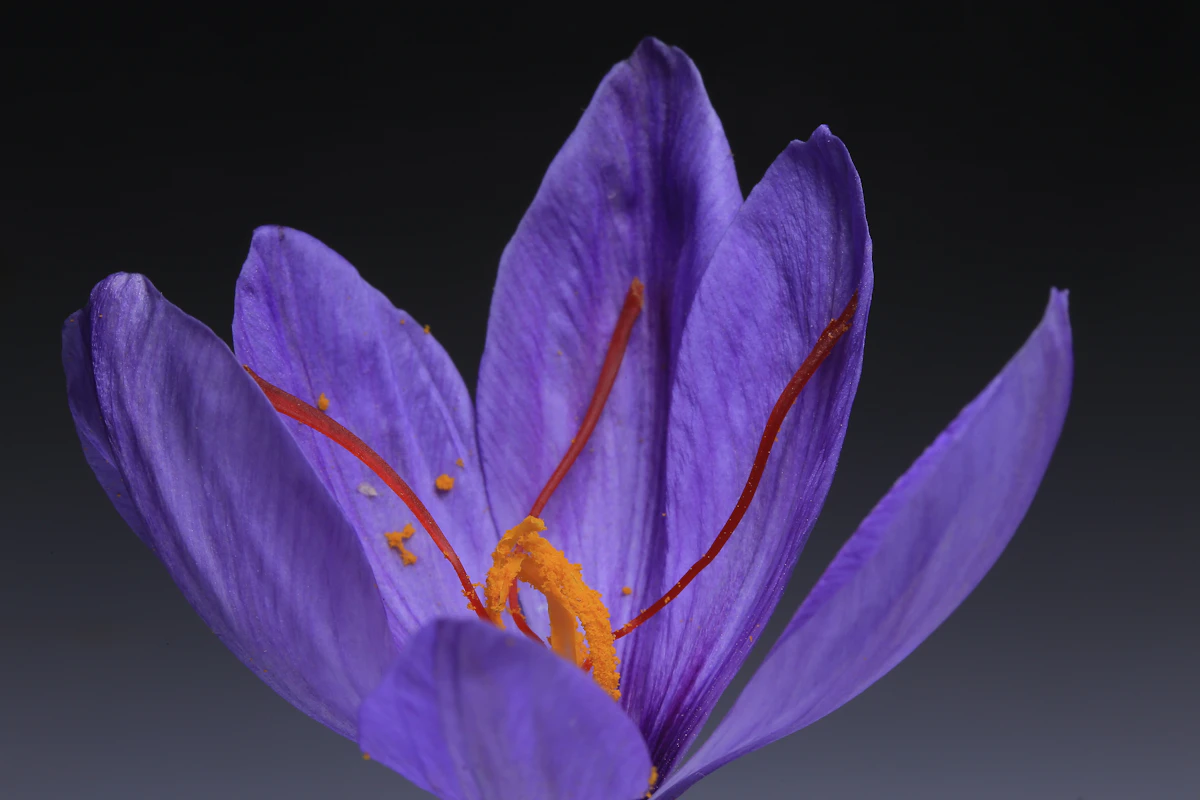
Saffron threads are the dried stigmas of Crocus sativus flowers. Each flower produces exactly three stigmas, and they must be hand-picked within hours of the flower opening — usually between 6 and 10 in the morning before the petals fully unfurl. The quality of those stigmas depends on where along the thread you cut, how promptly they were dried, the moisture content, and whether any yellow “style” material is left attached.
The International Organization for Standardization codified this in ISO 3632, the global benchmark for dried saffron. It measures three chemical compounds — Crocin (colour), Safranal (aroma), and Picrocrocin (flavour) — and assigns categories accordingly.
Infographic — ISO 3632 Grade Comparison
| Grade | Crocin (Colour) | Safranal (Aroma) | Picrocrocin (Flavour) | Thread Type |
|---|---|---|---|---|
| BestSuper Negin | ≥ 270 | 28–50 | ≥ 90 | All-red, no style attached |
| Negin | ≥ 250 | 20–50 | ≥ 70 | All-red with minimal style |
| Sargol (Cat. I) | ≥ 190 | 20–50 | ≥ 70 | Red stigma tips only |
| Pushal (Cat. II) | ≥ 150 | 20–50 | ≥ 55 | Red stigma + yellow style |
| Bunch (Cat. III) | ≥ 110 | 20–50 | ≥ 40 | Whole thread, untrimmed |
What “Super Negin” Actually Means
Super Negin is not an ISO category — it sits above Category I, defined by Iranian and Kashmiri producers as an ultra-premium tier within the Negin classification. The criteria are strict:
- Thread length: ≥ 3 cm, uniform and unbroken.
- Colour: Deep crimson-red throughout — no yellow or white portions.
- Moisture: Below 8 %, preventing mould and ensuring potency is preserved.
- Crocin rating: Typically > 250, often reaching 270–290 in premium Kashmir harvests.
Infographic — What Makes Super Negin Premium
All values measured per ISO 3632:2011 methodology on dried-weight basis.
The Colour Test: What Crocin Tells You
Crocin is the water-soluble carotenoid pigment responsible for saffron's signature golden hue. When you steep threads in warm water, crocin leaches into the liquid, turning it golden. The higher the crocin number, the deeper the colour payoff — which is why Super Negin can turn a litre of rice a vivid gold with just 0.1 g of threads, while a Cat. III bunch grade might need three times as much to achieve the same result.
“A higher grade doesn't just look better — it's more cost-effective per dish because every thread delivers more colour, more aroma, and more flavour.”
The Harvesting Difference
At Kashmir's harvest season (October–November), the race against time is literal. Flowers open at sunrise; by mid-morning the petals begin to close and the stigmas lose moisture rapidly. Super Negin producers assign dedicated pickers to small plots — no more than three to five acres per team — so no flower waits more than forty minutes before its stigmas are separated and laid out to dry.
The drying method also determines grade. Traditional sun-drying can introduce inconsistent moisture levels. Controlled room-temperature drying at 40–45 °C for precisely 30–45 minutes produces uniform moisture below 8 % without volatilising the safranal aromatics.
How to Read a Certificate of Analysis
When you buy saffron from a quality supplier, a Certificate of Analysis (CoA) should be available on request. Look for:
- Lab name: Should be an accredited third party, not in-house testing.
- Test method: ISO 3632:2011 (not older versions, which used different wavelengths).
- Batch/Lot number: Matches the jar you purchased.
- Harvest year: Potency degrades — anything older than 18 months is past prime.
Which Grade Should You Buy?
For everyday home cooking — rice dishes, desserts, teas — Sargol (Cat. I) is perfectly adequate. For professional kitchens, fine dining, or gifting, Super Negin is the only choice. The economics work out similarly per dish once you account for the lower volume needed.
Saffronoor sells exclusively Super Negin grade from a single estate in the Kashmir Valley. Every batch is third-party tested and the CoA is available on request. You should expect nothing less from any supplier asking a premium price.